

You’ve decided you want to operate an excavator and now you’re searching for excavator courses, only to find yourself staring at two units with very similar names and no clear explanation of the difference. Sound familiar? You’re not alone.
RIIMPO301E and RIIMPO320F are two separate RII tickets that cover overlapping equipment but different competency scopes. Booking the wrong one doesn’t just waste your money. It can leave you with a compliance gap that causes real problems on the job site.
In this post, we’re going to cut through the confusion in plain language. We’ll explain what an RII excavator ticket actually is, break down each unit individually, and put them side by side so the differences are impossible to miss. We’ll also flag something important that not many people know yet: one of these units is on its way out. By the end, you’ll know exactly which ticket suits your situation, what the licensing requirements look like in your state or territory, and how to get started with confidence. No guesswork, no wasted enrolments.
What Is an RII Excavator Ticket and Why Does It Matter?

RII stands for Resources and Infrastructure Industry, the nationally recognised training package that governs heavy equipment operator competencies across Australia. Think of it as the official rulebook that defines exactly what a qualified excavator operator needs to know and be able to do.
An RII excavator operator ticket means you have been formally assessed against a defined set of skills by a registered RTO. It is not just a record of seat time; it is proof of verified competency. Employers and principal contractors on civil, mining, and construction sites are increasingly requiring these tickets before workers can operate machinery independently, and for good reason: it protects workers, businesses, and the site.
Here is where a lot of people come unstuck. There are two main excavator units that look similar on paper but cover genuinely different ground. RIIMPO320F (civil construction excavator operations) and RIIMPO301E (hydraulic excavator operations) are not interchangeable. Each unit is scoped to a different work context, and picking the wrong one creates real problems: wasted training fees, compliance gaps on site, and the possibility of having to re-enrol in the correct excavator training course at full cost.
If you are also operating wheeled plant on civil sites, the same logic applies to units like civil construction wheel loader operations, where the right ticket for the right machine matters just as much.
The sections below break down exactly what each excavator unit covers and which one suits your situation.
RIIMPO301E: Hydraulic Excavator Operations Explained
So let’s start with the first of the two units causing all the confusion.
RIIMPO301E, formally titled Conduct Hydraulic Excavator Operations, is the broader of the two tickets. It’s recognised across multiple industry sectors including coal mining, extractive, and metalliferous mining, which makes it genuinely versatile for operators who move between different site types or aren’t locked into one industry.
The competency scope covers everything you’d expect from a solid excavator operator qualification: pre-operational checks, hazard identification, safe machine operation, basic earthmoving tasks like distributing and side-casting bulk materials, and proper shutdown and post-operational inspection procedures. It’s a well-rounded unit that addresses the full operational cycle, not just the time you spend behind the controls.
One practical advantage of RIIMPO301E is that it functions well as a standalone unit. For most common site tasks, you don’t need to pair it with additional units to demonstrate sufficient competency, which keeps things simpler and more cost-effective. You can check with A2B Training directly for current pricing and course details.
That broad applicability across mining, extractive, and resources contexts makes it the go-to choice for operators who want an excavator operator ticket recognised across multiple industries and site types, rather than one scoped tightly to a single context.
One important caveat: the national training unit and your state licensing obligations are two separate things. Workers in WA and other states should confirm any additional requirements with their state jurisdiction before assuming the unit alone covers everything.
RIIMPO320F: Civil Construction Excavator Operations Explained
RIIMPO320F is the narrower of the two units. Where RIIMPO301E applies across multiple industries, RIIMPO320F is scoped specifically to civil construction sites. It covers four competency elements: planning and preparing for operations, operating the excavator to established requirements, lifting, carrying and placing materials, and selecting, fitting and using attachments.
There is one compliance detail that catches people out. RIIMPO320F alone does not cover independent equipment loading and unloading. If that is part of your job, you either need to also hold RIIHAN308F or complete A2B’s civil construction excavator course bundled with the right companion unit, or perform those tasks under direct supervision. It is a genuine gap, and plenty of workers only discover it after they have already been assessed.
The unit has been around since 11 December 2018 and has been the standard civil construction excavator ticket for site-based roles ever since.
Here is the timing flag you need to know about right now. Note: RIIMPO320F is superseded from 1 September 2026, the dedicated section below covers what that means for your enrolment.
RIIMPO320F Is Being Superseded: What That Means for You
So what does this actually mean if you’re thinking about enrolling right now?
From 1 September 2026, RIIMPO320F is officially superseded, and registered RTOs must transition their delivery to the replacement unit, RIIMPO320. If you’re shopping around for a civil construction excavator operations course, it’s worth asking your training provider directly which unit they’re currently delivering and whether your qualification will reflect the updated code.
Already holding RIIMPO320F? You’re not automatically required to retrain. The supersession doesn’t void existing tickets overnight. That said, employers and principal contractors can set their own standards around unit versions, so it’s worth a quick conversation with your site or contracting company before assuming you’re covered.
The shift from RIIMPO320F to RIIMPO320 follows a broader pattern across the RII training package. Updated units typically tighten up performance criteria and bring them in line with current site practices, things like contemporary safety documentation, clearer WHS alignment, and more defined exclusion zone requirements. It’s regulatory modernisation, not a complete overhaul.
One notable change: RIIMPO320 removes the pre-requisite unit requirement that applied under RIIMPO320F, which may simplify your pathway depending on your situation.
A2B Training is a registered RTO and has been around long enough to navigate these transitions comfortably. Their team can confirm which unit is current, what it means for your specific timeline, and make sure you’re enrolling in the right thing from the start.
RIIMPO301E vs RIIMPO320F: Side-by-Side Comparison
Now that you’ve got the full picture on the supersession, here’s how these two units actually stack up against each other.
| RIIMPO301E | RIIMPO320F | |
|---|---|---|
| Full title | Conduct hydraulic excavator operations | Conduct civil construction excavator operations |
| Work context | Coal mining, extractive, and metalliferous mining | Civil construction site roles only |
| Standalone capability | Yes, wider independent scope | Requires RIIHAN308F or supervision for independent equipment loading and unloading |
| Current status | Current | Superseded 1 September 2026, replaced by RIIMPO320 |
| Who typically enrols | Operators wanting cross-industry recognition | Civil construction site workers |
The practical difference comes down to two things: where you work and what you need to do independently.
If your sites span mining, extractive, or resources contexts, RIIMPO301E gives you the flexibility to move between them without questions from site supervisors. If you work purely in civil construction, RIIMPO320F has historically been the relevant unit, and RIIMPO320 is now the smarter enrolment for that same context.
The standalone gap in RIIMPO320F is worth taking seriously. Operators who need to load and unload equipment independently either need to add RIIHAN308F or consider whether RIIMPO301E better fits their actual day-to-day scope.
So Which Excavator Ticket Do You Actually Need?
Now you’ve seen the comparison, here’s the plain-English version of what that means for your situation.
If you want a ticket that works across mining, extractive, and resources sites, go with RIIMPO301E. It’s the more versatile RII excavator ticket and generally the safer default for operators who move between project types in those industries.
If you work exclusively in civil construction and your employer or principal contractor has specifically named RIIMPO320F, enrol in that, but confirm with your training provider whether delivery has already transitioned to the replacement unit, RIIMPO320, before you book.
Employers booking excavator courses for crew members should pull out the site contract and check which unit code is actually specified. Compliance obligations sit with the business, not the individual worker, so getting this wrong is a company-level problem.
If you need both operational flexibility and the ability to load and unload equipment independently, a combo enrolment is the smart play. Pairing your excavator unit with RIIHAN308F closes the standalone gap that RIIMPO320F leaves and means you’re covered for the full scope of work on site.
Still not sure? A quick call to a qualified RTO like A2B Training costs nothing and can save you the full excavator ticket price of enrolling in the wrong unit and having to repeat the whole thing. They’ve been around long enough to have answered this question more than a few times.
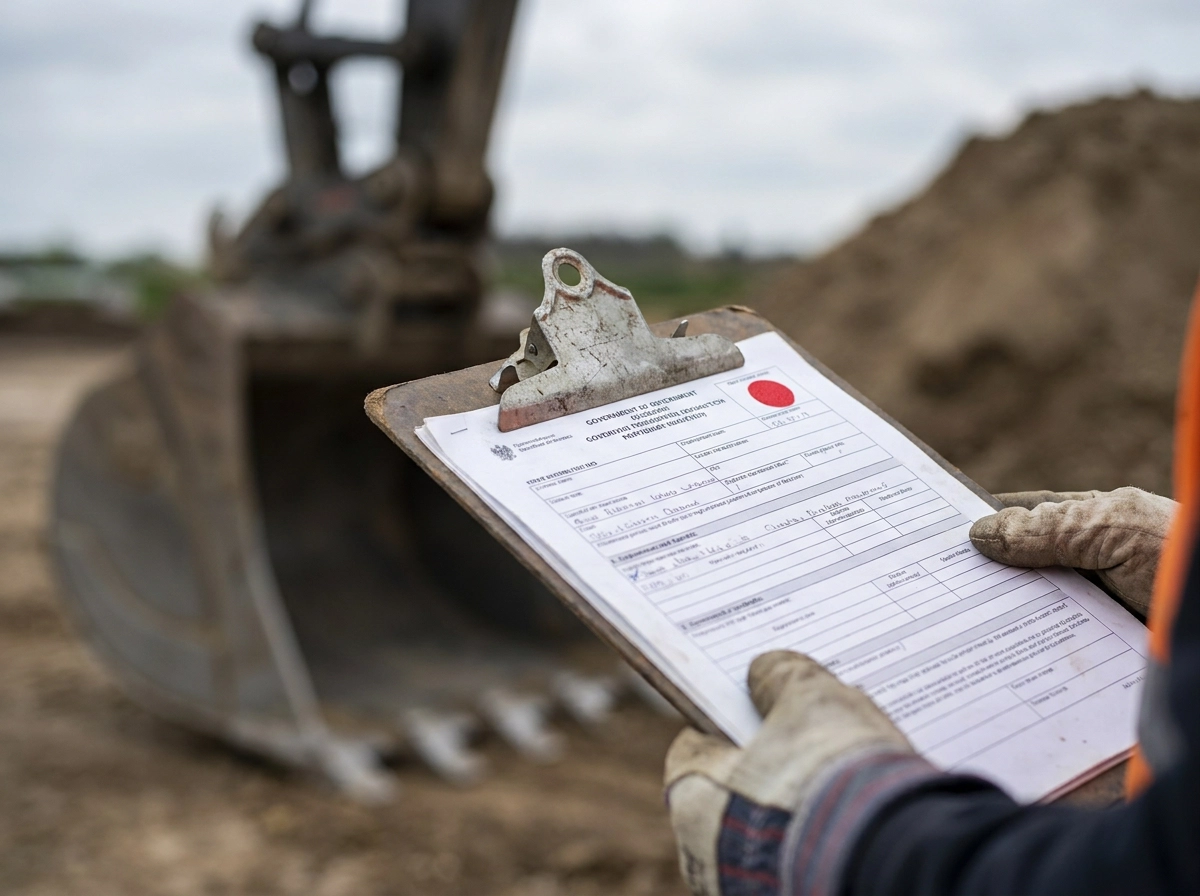
A Quick Note on State and Territory Licensing Requirements
Licensing, legislative, and regulatory requirements for excavator operators vary across Australian states and territories. Your national competency ticket is the foundation, but it does not automatically satisfy every jurisdiction’s high-risk work licensing requirements. In Western Australia, for example, workers should check with WorkSafe WA and their employer about any state-specific obligations that sit on top of the RII unit. Training.gov.au reinforces this, explicitly directing users to verify requirements with their state jurisdiction before applying any RII unit to their work context.
If you operate across multiple states or territories, check the rules in each one separately. Assuming your ticket covers everything, everywhere, is exactly the kind of compliance gap that causes problems during audits or incident investigations.
For workers in Western Australia, this is one area where A2B Training’s Perth base is a genuine advantage. Their trainers understand the local WA compliance landscape, which means when you book your Excavator Training with them, you’re not just getting practical, hands-on training. You’re getting guidance from people who know the regulatory context you’ll actually be working in.
When in doubt, ask your employer, check with WorkSafe WA, and confirm before you start work.
Why Workers Across Perth Book Their Excavator Training with A2B
Once you’ve got your head around the WA compliance picture, the next question is simple: where do you actually go to get trained properly?
A2B Training is a nationally recognised RTO that has been delivering hands-on excavator training from their Maddington facility for a long time. That matters because their trainers aren’t just ticking boxes, they know the equipment and they know what compliance looks like on real Perth worksites.
Training runs six days a week, which is genuinely useful if you’re working around shift rosters or a contractor needs a crew member signed off before a project kicks off. No waiting weeks for the next available weekday intake.
Every excavator course is practical. You get real time in the cab, not just a slideshow and a workbook. Experienced trainers and assessors guide you through the actual operation, which is how competency is built and how assessments are passed.
If you’ve read the earlier section about RIIMPO320F’s loading and unloading gap, you’ll already know why pairing units makes sense. Their Maddington location is straightforward to reach from across the Perth metro area, and the team can talk through your situation before you book and point you toward the right unit, so you’re not spending money on the wrong course.
Get the Right Ticket the First Time
The bottom line is straightforward: RIIMPO301E and RIIMPO320F are different tickets for different work contexts, and picking the wrong one costs you real money. Before you enrol in any excavator training course, know your site requirements and confirm what your employer or principal contractor actually needs. Then check with your state jurisdiction, because licensing obligations vary across Australia and the national unit alone does not tell the whole story.
As noted above, RIIMPO320F is superseded from 1 September 2026, confirm which unit your RTO is delivering before you commit.
As covered earlier, RIIMPO320F does not cover independent loading and unloading, pair with RIIHAN308F if needed.
A2B Training runs hands-on, practical excavator courses six days a week from their Perth facility. Genuine value for money, with trainers who know the gear and the compliance landscape.
Still not sure which RII excavator ticket suits your situation? Give A2B Training a call. Their team will help you work it out before you spend a cent.
Conclusion
The decision does not have to be complicated. With the right information and the right RTO behind you, you can walk away with exactly the tickets your work actually demands.
A2B Training runs practical, hands-on excavator courses six days a week from Perth, with expert trainers ready to point you in the right direction. Call A2B Training today and get the right ticket the first time.