
Quick Summary
Vocational machinery training is worth it if the tickets it gives you match the jobs you actually want. Check three or four current job ads for the machines they name, confirm the RII code each one needs, and compare full written quotes before booking.
- Check three or four current job ads to list the machines your target role requires.
- Confirm each machine maps to a specific RII code before paying for any course.
- Ask whether the price includes assessment, certificates and any re-sit fees.
- Packages only save money if you use both tickets soon after training.
- Keep a logbook of machine hours, since employers and agencies ask for it.
Table of Contents
- What Vocational Machinery Training Actually Gets You
- Working Out Which Tickets Your Target Job Requires
- What a Machinery Operator Ticket Costs and What Affects the Price
- How Long Machinery Training Takes and What Fits Around Work
- Comparing Excavator and Telehandler Package Deals
- Job Prospects and Earning Potential After Certification
- Mistakes to Avoid and Questions to Ask Before You Book
- Booking Your Next Step With A2B Training
- Frequently Asked Questions
What Vocational Machinery Training Actually Gets You
Last Updated: October 30, 2026
Vocational machinery training gives you a recognised ticket to operate specific equipment on job sites. In Australia, that ticket is usually a nationally recognised unit from the RII (Resources and Infrastructure) training package. Requirements vary by site and employer, so confirm what they accept before you commit.
The real question is whether the ticket pays off for you. That depends on the job you want, the equipment it uses, and how much time and money you can put in. Here is how to work through it.
What you actually get from a course is more than a card. You get supervised hands-on time on real equipment, a formal assessment, and a document that site inductions and labour hire agencies will check. For many people, that paper is the difference between being interviewed and being ignored.
Plan for a few realistic outcomes:
- A ticket that lets you apply for a specific job type
- Proof of skill that supports a move from labouring to operating
- A recognised qualification you can add to over time
- Confidence on equipment you have only watched others use
A common mistake is treating the ticket as the finish line. Employers still expect you to show up, follow site rules and handle the machine safely from day one. The course opens the door. Your attitude and experience decide what happens after you walk through it.
Working Out Which Tickets Your Target Job Requires
Start with the job, not the course. Look at three or four current job ads for the role you want and write down every machine they mention. Note whether each ad asks for a specific RII code or just “machinery experience”.
Excavators and telehandlers are two common tickets asked for on sites, but they are not interchangeable. An excavator ticket is for digging and earthworks. A telehandler ticket is for lifting and placing materials on site. Many civil and construction roles want both, which is why package options are worth a look.
Our advice is simple:
- List the machines named in your target ads
- Check which RII code each one maps to
- Ask the employer or labour hire agency which tickets they accept
- Skip any ticket that no ad in your area asks for
Watch out: booking the wrong ticket wastes money and time. Confirm the exact unit code with the training provider before you pay anything.
Tickets also differ by job type. A ticket that suits road civils may not suit mining or landscaping work, so match the ticket to the sector you actually want to enter.
What a Machinery Operator Ticket Costs and What Affects the Price
Pricing depends on the course, the number of units, the dates you choose and whether you book a package. Rather than rely on a single figure, compare the total cost of each option, including any assessment fees and the time you will take off work.
Here is what usually moves the price:
- The number of tickets in one booking
- Whether the course is bundled into a package
- The length of the course and how many days it runs
- Whether equipment hire or site access is included
Ask each provider for a full written quote. Check whether it covers the assessment, the certificate and any re-assessment if you need a second attempt. A cheaper headline price can cost more once extras are added.
For a current quote for your specific tickets, contact A2B Training rather than comparing against an estimate.
The article lists the main factors that move the price of a machinery ticket.
| Price factor | Why it matters | Check before booking |
|---|---|---|
| Number of tickets in one booking | Affects the total cost of the course | Compare the total across providers |
| Package bundling | Can reduce cost if you use both tickets soon | Confirm each ticket matches your job ads |
| Course length and days | Changes the overall fee | Ask how many days the course runs |
| Equipment hire or site access | May or may not be included | Ask what the price covers |
| Assessment and re-sit fees | A low headline price can rise once these are added | Request a full written quote |
How Long Machinery Training Takes and What Fits Around Work
Course length depends on your experience and the equipment, so ask the provider for the exact schedule for your ticket.
If you are working full time, plan around three things:
- The course start and finish dates
- Whether weekend or extended-day options exist
- How much time you need to recover before any assessment
Ask whether the schedule suits your situation, especially if you cannot take unpaid leave.
A common mistake is booking a course the same week you start a new job. Give yourself a buffer, because assessments can run longer than the timetable shows.
Comparing Excavator and Telehandler Package Deals
Package deals bundle two or more tickets into one booking. They are worth comparing against buying each ticket separately, but only if you actually need both.
Use this checklist when comparing:
- Confirm each ticket code in the package matches your target job ads
- Check whether the package price includes assessment and certificates
- Ask what happens if you need to re-sit one of the assessments
- Compare the package total against single-ticket prices from the same provider
- Ask whether dates can be split if you cannot do all days in one run
Packages save money only when both tickets are used soon after training. A ticket you never use is wasted spending, however good the deal looks.
Job Prospects and Earning Potential After Certification
A ticket improves your chances of getting past the first screen, but pay depends on the role, the employer, the location and your experience on the machine. Treat any earnings figure you see online with caution unless it comes from a current, named source.

Certified operators often move into roles such as:
- Civil labourer with machine work included
- Excavator operator on earthworks crews
- Telehandler operator on construction sites
- Operator roles with labour hire agencies
Be realistic about the first six months. Most new operators start under supervision and build hours before they take on heavy solo work. Keep a logbook of hours and the machines you have run. Employers and agencies ask for it.
Check current pay rates with the official source and job sites in your area before you make decisions, as wage rates change.
Mistakes to Avoid and Questions to Ask Before You Book
Most people who regret a machinery course made one of these mistakes:
- Booking a ticket without checking the job ads first
- Choosing the cheapest provider without comparing what is included
- Ignoring the assessment format and how much hands-on time they will get
- Forgetting to check whether the ticket is accepted in their target area
Before you book, ask the provider:
- How much hands-on time will I get on the equipment?
- What does the price include, and what costs extra?
- What is your cancellation and rescheduling policy?
- How do you handle a failed assessment or a re-sit?
- Will this ticket be accepted by the employers I am applying to?
A good provider answers these clearly and in writing. If the answers are vague, keep looking.
Booking Your Next Step With A2B Training
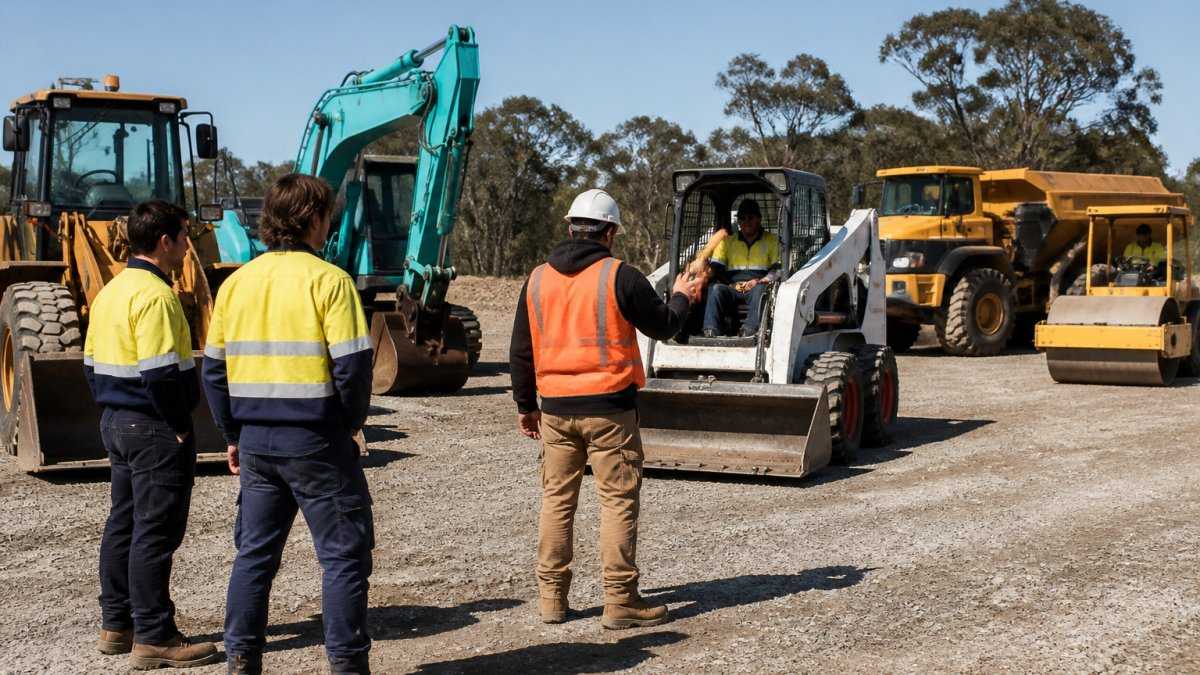
A2B Training delivers nationally recognised machinery training and assessment in Perth, with courses six days a week for excavators, loaders, dump trucks, rollers, skid steers and telehandlers. Our price-match guarantee and package deals are available for people who want competitive pricing.
If you have worked through the tickets your target job needs, the next step is a clear quote. Get in touch with A2B Training, tell us the tickets you need and your availability, and we will confirm the total cost and dates.
Frequently Asked Questions
Is vocational machinery training worth it?
It depends on the job you want. If a site or employer requires a specific ticket to operate a machine, the training is usually necessary, not optional. If you already work in a labouring or trade assistant role and want to move onto machines, a ticket can open that door. If you have no plan to operate machinery, the cost may not be justified. Start by checking job listings in your area for the tickets they ask for, then compare that list against what you can afford in time and money.
How much does machinery operator training cost?
Pricing depends on the course, the number of machines covered, the dates you choose and how the training is delivered. A2B Training does not publish fixed prices in this article, so the most accurate way to compare is to request a quote for the exact tickets you need. Ask every provider whether the price includes assessment, materials and any re-assessment fees, so you are comparing the same things.
Do you need a ticket to operate an excavator or telehandler?
On most Australian construction and civil sites, operators are expected to hold a recognised ticket for the machine they run, and many employers will ask to see it before you start. Requirements vary by site, employer and state, so confirm with your employer what they accept. A nationally recognised qualification is the safest starting point because it is the one most commonly asked for.
What should you check before choosing a machinery training provider?
Confirm the provider is a registered training organisation, that the qualification is nationally recognised, and that the assessment includes hands-on time on the actual equipment rather than only classroom work. Ask about trainer experience, class times if you work full-time, and the cancellation and rescheduling policy. Compare the exact tickets included in any package deal so you know what you are paying for.
Get started with A2B Training and turn your target job into a ticket you can use on site. Enquire Now!
